What Are the Types of Culture? Definitions, Categories, and Examples
- Osmancan Çekinmez

- Jul 26, 2024
- 13 min read
Culture is a deep and comprehensive concept that brings societies together, shapes individual identities, and influences everyday life. Through its various forms, culture plays a crucial role in defining people’s lifestyles, beliefs, and values. Cultural diversity, in particular, has a profound impact on the richness and dynamism of societies. Let’s take a closer look at the different types of culture, their examples, and their influence on societies. Are you ready to explore the fascinating world of culture?
1. What Is Culture?
Culture refers to the way of life, beliefs, values, traditions, and norms of a society or social group. It encompasses language, religion, communication, art, literature, clothing, cuisine, music, and many other elements. Culture shapes how people think, behave, and interact with one another.
2. What Are the Types of Culture?
Culture can be classified into different categories. These include national culture, high culture, popular culture, corporate culture, ethnic culture, local culture, global culture, professional culture, subculture, and dominant culture. Each type plays a distinct role and exerts a unique influence within societies.
2.1 National Culture
National culture refers to the shared values, beliefs, arts, legal systems, customs, and social behaviors that exist within the borders of a nation or country. It shapes the characteristic traits of a society and influences how its members perceive the world.


Examples and Impact of National Culture
Examples of national culture are highly diverse, as each country possesses a unique cultural identity. National culture strengthens individuals’ sense of belonging to their society and contributes to social cohesion.
Italy: Art and culinary culture, especially Renaissance masterpieces and Italian cuisine such as pizza and pasta.
Japan: The tea ceremony, kimonos, Zen gardens, and traditional arts.
United States: Values of freedom and democracy, the American Dream, and Hollywood.
France: Gastronomy, fashion, wine culture, and literature.
China: Confucianism, traditional medicine, and dragon dances.
India: Yoga, Bollywood, belief in karma, and a richly spiced cuisine.
Brazil: Samba dance, the Rio Carnival, and football culture.
Russia: Matryoshka dolls, ballet, and the Russian Orthodox Church.
Mexico: Day of the Dead (Día de los Muertos), mariachi music, and Aztec cultural heritage.
Türkiye: Turkish coffee, hospitality, Ottoman architecture, and hammam culture.
2.2 High Culture
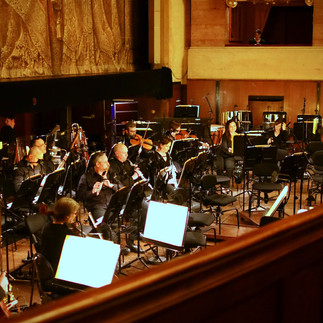
High culture generally refers to cultural products that require a deep level of knowledge and understanding in fields such as art, music, opera, ballet, theatre, literature, and philosophy. These cultural expressions are typically created and/or consumed by the educated and socially recognized “elite” segments of society.



Examples and Impact of High Culture
Examples of high culture include Beethoven’s symphonies, Shakespeare’s plays, and artworks from the Renaissance period. High culture elevates aesthetic and intellectual values and plays a crucial role in preserving a society’s cultural heritage.
Italy: Renaissance artworks, including the masterpieces of Leonardo da Vinci and Michelangelo.
France: The Louvre Museum in Paris; literary figures such as Gustave Flaubert and Victor Hugo.
Germany: Classical music by Johann Sebastian Bach and Ludwig van Beethoven; theatre of the Weimar period.
Russia: The Bolshoi Ballet; literary works by Fyodor Dostoevsky and Leo Tolstoy.
England: The theatrical plays of William Shakespeare; the Royal Opera.
Austria: The Vienna Philharmonic Orchestra; compositions by Wolfgang Amadeus Mozart.
Greece: Ancient Greek theatre, tragedy and comedy genres, and the Acropolis.
Japan: Noh and Kabuki theatre traditions; haiku poetry.
Spain: The Prado Museum; paintings by Diego Velázquez and Francisco Goya.
Netherlands: Paintings by Rembrandt and Vincent van Gogh; the Rijksmuseum in Amsterdam.
2.3 Popular Culture
Popular culture refers to cultural elements that are widely embraced and consumed by large segments of society. Television programs, pop music, cinema, fashion, and internet culture all form key components of popular culture.


Examples and Impact of Popular Culture
Popüler kültür, hızlı tüketilen ve geniş kitlelere ulaşan bir etkiye sahiptir, toplumun günlük yaşamını ve eğlence anlayışını şekillendirir. Medya, sinema, müzik, moda ve internet gibi araçlarla yayılır ve günlük yaşamın bir parçası haline gelir.
United States: Hollywood films; pop music icons such as Michael Jackson and Madonna.
South Korea: K-pop music; global groups like BTS and Blackpink; the Hallyu (Korean Wave).
Japan: Anime and manga; productions such as Pokémon and Studio Ghibli animations.
United Kingdom: Rock bands like The Beatles and The Rolling Stones; TV series such as Doctor Who and Sherlock.
India: Bollywood cinema; film stars such as Shah Rukh Khan and Aishwarya Rai.
Spain: TV series such as La Casa de Papel (Money Heist); flamenco music.
Brazil: Samba and bossa nova music; telenovela television dramas.
Mexico: Mariachi music; Lucha Libre wrestling shows.
France: French New Wave cinema; electronic music artists such as Daft Punk and David Guetta.
Nigeria: Nollywood films; Afrobeats music.
2.4 Corporate Culture
Corporate culture refers to the shared values, beliefs, behavioral norms, communication styles, and ways of working within a company or organization. It shapes how employees interact with one another and directly influences the overall way business is conducted.


Examples and Impact of Corporate Culture
A strong corporate culture enhances employee motivation, strengthens the sense of belonging, and positively contributes to overall job performance. It also plays a critical role in an organization’s long-term success and sustainability.
Google: Known for its open, flexible, and supportive work environment that encourages creativity and innovation. The company is widely recognized for the freedom and benefits it offers to its employees.
Apple: Renowned for its strong commitment to quality and excellence. Apple fosters a culture of high performance and deep employee loyalty.
Netflix: Operates with a culture built on high performance and freedom. Employees are given significant responsibility, and creativity is actively encouraged.
Amazon: Characterized by a strong focus on customer obsession and continuous improvement. The company maintains ambitious goals and a demanding, results-driven work culture.
Microsoft: Known for its “growth mindset” approach, which places learning and development at the center of the organization. Collaboration, inclusivity, and continuous learning are key cultural pillars.
Spotify: Emphasizes autonomy, agility, and trust across teams. Its work culture supports independent decision-making and encourages innovative thinking.
2.5 Ethnic Culture
Ethnic culture encompasses traditions, languages, religions, social practices, and artistic expressions specific to a particular ethnic group. It is generally rooted in ancestral origins, collective identity, and historical heritage. Ethnic culture enriches cultural diversity and fosters a strong sense of belonging within communities.






Examples and Impact of Ethnic Culture
Maori (New Zealand): Known for the Haka dance, traditional tattoos (ta moko), and the Māori language. Maori culture places great importance on preserving indigenous heritage and collective identity.
Ireland: Recognized for traditional Irish music, dance forms such as Riverdance, and St. Patrick’s Day celebrations. Irish culture serves as a strong source of national identity and pride.
Navajo (USA): The Navajo people are known for traditional weaving, music, dance, and language. Their ethnic culture helps maintain community cohesion and preserves cultural heritage.
Zulu (South Africa): Famous for traditional dances, music, handicrafts, and distinctive clothing. Cultural practices strengthen social solidarity and reinforce Zulu identity.
Sami (Scandinavia): The Sami people are known for reindeer herding, traditional clothing, and Joik music. Sami culture preserves indigenous lifestyles and a deep connection with nature.
Aboriginal Peoples (Australia): Aboriginal culture is characterized by Dreamtime stories, traditional art, music, and dance. These cultural expressions play a crucial role in maintaining indigenous identity and heritage.
Hopi (USA): The Hopi people are known for kachina dances, pottery, and weaving. Hopi culture reinforces social structure and strengthens community identity.
Yoruba (Nigeria): The Yoruba are recognized for traditional music, dance, mythology, and religious ceremonies. Cultural practices help sustain community unity and cultural continuity.
Bedouins (Middle East): Bedouin culture is associated with nomadic tent life, camel-related traditions, music, and dance. It plays a vital role in preserving nomadic lifestyles and strong social bonds.
Inuit (Canada and Greenland): Inuit culture is known for igloos, traditional clothing, hunting, and fishing practices. It reflects the indigenous people’s resilience, survival skills, and cultural identity in harsh climates.
2.6 Local Culture
Local culture refers to the unique cultural characteristics of a specific region or settlement. Local cuisine, traditions, festivals, architecture, and handicrafts are core components of local culture. These elements reflect the everyday life, history, and identity of a particular place.


Examples and Impact of Local Culture
Examples of local culture include the wine culture of Tuscany in Italy, the fairy chimneys of Cappadocia in Türkiye, and the Rio Carnival in Brazil. Local culture stimulates regional tourism and plays a vital role in preserving cultural heritage.
Tuscany (Italy): Tuscany’s local culture is known for wine production, olive oil, culinary traditions, and Renaissance art. This cultural richness significantly contributes to tourism and regional economic prosperity.
Bavaria (Germany): Bavaria is recognized for Oktoberfest, traditional clothing (lederhosen and dirndl), beer culture, and folk dances. These cultural practices strengthen social cohesion and attract visitors from around the world.
Andalusia (Spain): Andalusia is known for flamenco dancing, bullfighting, tapas culture, and distinctive Andalusian architecture. Local culture enhances the region’s identity and tourism appeal.
Kyoto (Japan): Kyoto is famous for traditional tea ceremonies, kimonos, Zen gardens, and temples. Local culture plays a crucial role in preserving Japan’s historical and cultural heritage.
New Orleans (USA): New Orleans is known for jazz music, the Mardi Gras festival, Creole cuisine, and Voodoo traditions. Local culture supports the city’s identity and tourism industry.
Kerala (India): Kerala is recognized for Ayurveda, traditional Kathakali dance, houseboats, and local cuisine. Local culture enhances the region’s health tourism and cultural attractiveness.
Provence (France): Provence is famous for lavender fields, vineyards, local markets, and Provençal cuisine. Local culture contributes to the region’s aesthetic value and economic vitality.
Bali (Indonesia): Bali is known for Hindu temples, traditional dances, handicrafts, and local festivals. Local culture strongly supports the island’s tourism industry and cultural heritage.
Sicily (Italy): Sicily is recognized for arancini, cannoli, historical influences such as the Mafia, local festivals, and Baroque architecture. Local culture strengthens the island’s identity and tourism appeal.
Quebec (Canada): Quebec is known for the French language, Winter Carnival, poutine, and traditional music. Local culture plays a key role in preserving regional identity and cultural heritage.
2.7 Global Culture
Global culture refers to cultural elements that spread across the world and encourage interaction between different societies. Driven by globalization and advances in communication technologies, global culture expands rapidly and transcends national boundaries.




Examples and Impact of Global Culture
Examples of global culture include multinational fast-food chains, Hollywood films, and international sporting events. Global culture increases cultural exchange, creates shared experiences, and enables ideas, lifestyles, and trends to move beyond geographical borders.
Fast-Food Chains (McDonald’s, KFC): Fast-food brands such as McDonald’s and KFC contribute to the globalization of eating habits by offering standardized menus and service models worldwide. They create a fast, familiar, and predictable dining experience, shaping global consumer expectations.
Hollywood Films: Hollywood produces films that are watched across the globe. These films help spread global culture by presenting universal themes, values, and lifestyles to international audiences.
Social Media Platforms (Facebook, X/Twitter, Instagram): Social media platforms increase global interaction by enabling people to connect, share information, and engage with different cultures in real time. They play a key role in the rapid spread of global cultural trends.
Apple Products (iPhone, iPad): Apple has a global influence through its technological innovations and design philosophy. Its products are widely used around the world and help set international standards for consumer technology.
Pop Music (Beyoncé, BTS): Pop music artists reach audiences worldwide. Figures such as Beyoncé and BTS transcend cultural boundaries and contribute to the formation of shared, global musical tastes.
Sports (Football, Basketball): Sports such as football and basketball have massive global followings. Through international tournaments and global events, these sports strengthen cross-cultural connections and shared global experiences.
Global Fashion Brands (Nike, Zara): Fashion brands like Nike and Zara shape global trends and contribute to the spread of similar clothing styles worldwide. They strongly influence global consumer behavior.
Netflix: Netflix is a globally accessible digital platform offering a wide range of content. International audiences engage with films and series from different cultures, increasing cultural awareness and mutual understanding.
Coca-Cola: Coca-Cola is one of the most recognized beverage brands worldwide. Through global advertising campaigns and extensive distribution networks, it has become a cultural symbol of global consumer culture.
International Fast Fashion (H&M, Uniqlo): Fast fashion brands such as H&M and Uniqlo contribute to the globalization of fashion trends and consumer habits by making similar styles available worldwide, reinforcing a universal fast-fashion model.
2.8 Professional Culture
Professional culture refers to the shared values, norms, and behaviors of specific occupational groups. It also plays a guiding role in shaping professional ethics, standards, and best practices within a given field.



Examples and Impact of Professional Culture
Examples of professional culture include medical ethics followed by healthcare professionals, legal principles upheld by lawyers, and technical standards applied by engineers. Professional culture supports the development of expertise, improves service quality, and strengthens professional identity. It also fosters solidarity among colleagues and establishes clear standards of conduct.
Medical Professionals (Doctors, Nurses): In the medical field, core values include adherence to ethical principles, respect for patient confidentiality, and continuous professional development. This culture enhances the quality of patient care and promotes strong collaboration among healthcare professionals.
Legal Professionals (Lawyers, Judges): The legal profession emphasizes justice, impartiality, integrity, and confidentiality. This professional culture ensures the proper functioning of the legal system and builds public trust.
Engineering Professionals: In engineering, values such as innovation, precision, safety, and sustainability are central. This culture enables engineers to collaborate effectively on complex projects and strive for technical excellence.
Education Professionals (Teachers, Academics): In education, student-centered approaches, lifelong learning, research, and ethical teaching practices are key elements of professional culture. This culture enhances educational quality and promotes academic achievement.
Finance Professionals (Bankers, Investment Advisors): In the financial sector, reliability, analytical thinking, risk management, and client confidentiality are fundamental values. This culture supports financial stability and strengthens client confidence.
Construction Professionals (Architects, Civil Engineers): In the construction industry, safety, durability, aesthetics, and sustainability are highly valued. This professional culture contributes to the successful completion of projects and the creation of high-quality built environments.
Technology Professionals (Software Developers, IT Specialists): In the technology sector, innovation, problem-solving, teamwork, and continuous improvement are essential. This culture drives rapid advancement and the development of new technological solutions.
Healthcare Administrators: In healthcare management, patient-centeredness, ethical leadership, efficiency, and quality management are key priorities. This culture ensures that healthcare services are delivered effectively and responsibly.
Advertising and Marketing Professionals: In advertising and marketing, creativity, customer focus, strategic thinking, and strong communication skills are central. This professional culture supports successful brand positioning and market growth.
Journalism and Media Professionals: In the media industry, objectivity, accuracy, ethical reporting, and public service are core values. This culture ensures the flow of reliable information and contributes to an informed society.
2.9 Subculture
A subculture refers to cultural elements that differ from the dominant culture and are adopted by a specific group. Subcultures are often formed by youth groups or marginalized communities and reflect alternative values, lifestyles, and forms of expression.


Examples and Impact of Subculture
Examples of subcultures include punk rock music culture, the hip-hop community, and hacker culture. Subcultures offer alternative perspectives to mainstream culture and contribute to cultural diversity by challenging dominant norms and values.
Hip-Hop Culture:Emerging in the 1970s in the Bronx, New York, hip-hop culture includes rap music, breakdancing, graffiti art, and DJing. Hip-hop provides young people with a powerful means of self-expression and has had a significant global impact.
Goth Culture:Originating in the United Kingdom in the 1980s from the punk rock movement, goth culture is associated with dark and dramatic aesthetics, gothic fashion, and literature. It fosters a strong sense of community among individuals who embrace alternative lifestyles.
Skater Culture:Popular among skateboarders, skater culture is defined by skateboarding, street art, and a relaxed clothing style. This subculture encourages physical activity and offers an alternative social environment for young people.
Anime and Manga Culture:Originating in Japan, anime and manga culture is widespread among individuals interested in animation and graphic novels. It has gained a large global fan base and contributed to the international recognition of Japanese popular culture.
Geek Culture:Geek culture brings together individuals passionate about science fiction, fantasy, comic books, video games, and technology. It promotes creativity and innovation while fostering strong social bonds within the community.
Surfer Culture:Common among surfers, surfer culture is characterized by a lifestyle closely connected to the ocean, surf fashion, and a relaxed philosophy of life. It promotes environmental awareness and a strong connection to nature.
Steampunk Culture:Steampunk culture combines 19th-century Industrial Revolution aesthetics with science fiction themes, reflected in fashion, literature, and art. This subculture encourages creativity, craftsmanship, and imaginative expression.
K-Pop Culture:Originating in South Korea, K-pop has developed a massive global following. K-pop culture has increased global awareness of Asian popular culture and secured a prominent place in the international music industry.
Metal Culture:Shaped around heavy metal music, metal culture is defined by music festivals, distinctive clothing styles, and a shared lifestyle philosophy. It allows individuals to express themselves through music and build strong communal ties.
2.10 Dominant Culture
Dominant culture refers to the set of values, norms, beliefs, and practices that are most widely accepted and upheld within a society. It shapes social order and establishes what is considered “normal,” “appropriate,” or “acceptable.” As a result, dominant culture plays a critical role in influencing individual behavior, social expectations, and collective identity.


Examples and Impacts of Dominant Culture
Examples of dominant culture include the emphasis on freedom and individualism in the United States, the focus on social harmony and discipline in Japan, and the principle of secularism in France. Dominant culture defines social norms and plays a crucial role in shaping how individuals think, behave, and interact within society.
Capitalism: Capitalism is the dominant economic system in the global economy, based on private ownership of the means of production and free markets. Values such as individualism and competitiveness have influenced not only economic systems but also broader worldviews. While capitalism has contributed to globalization and expanded opportunities for many people, it has also led to increased inequality and environmental degradation.
Colonialism: Colonialism often involved the imposition of the colonizers’ cultural values on Indigenous populations. For example, in Canada, British colonizers established residential schools where Indigenous children were prohibited from speaking their native languages and were forced to practice Christianity. These policies contributed to Euro-Christian values becoming part of the dominant culture in Canada.
The English Language: English is widely used as the language of education, business, and governance in many parts of the world. It also functions as a lingua franca, enabling communication between individuals who do not share the same native language. While proficiency in English provides access to greater opportunities, its global dominance has also contributed to the marginalization of other languages.
Christianity in the West: Judeo-Christian values and practices have significantly shaped Western culture. Although the United States is a secular country, individuals in courts are still often required to swear on the Bible. This serves as a small but telling example of how Judeo-Christian values underpin many aspects of Western societies, including laws, literature, and cultural traditions.
The Global Influence of Hollywood: Globally, Hollywood represents one of the most powerful cultural forces and promotes a form of cultural homogenization. Cultural authority is closely linked to economic and political power, which has led the Western canon (such as the works of Homer, Dante, and Shakespeare) to be regarded as a global canon. Today, English-language films produced in the United States continue to achieve significant financial success and widespread global reach.
3. Impact of Cultural Diversity on Societies
Cultural diversity enhances the richness and dynamism of societies. The coexistence of different cultures encourages creativity and innovation by exposing individuals to diverse ways of thinking, beliefs, and traditions. Each culture carries its own unique history, art, and values, contributing to a more vibrant and dynamic social structure.
Cultural diversity also strengthens social cohesion and mutual understanding. Understanding and respecting different cultures brings people together and fosters social solidarity. This, in turn, helps reduce social conflicts and promotes an environment of tolerance and coexistence. Since each culture possesses its own distinct identity, cultural diversity enables societies to develop in a more balanced and inclusive way.
The preservation of cultural heritage is another essential dimension of cultural diversity. Every culture seeks to pass its historical and cultural legacy on to future generations. Through this process, historical knowledge and cultural traditions are safeguarded, allowing future generations to inherit and sustain cultural diversity. Protecting cultural heritage helps societies remain connected to their roots and supports the continuity of cultural identity.


