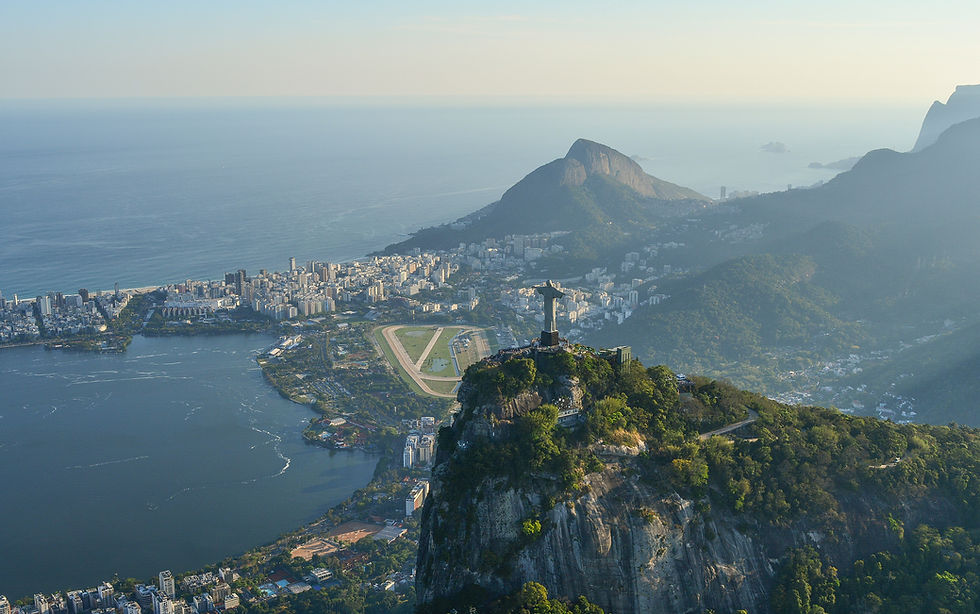
🇧🇷 Brazil
Business culture of Brazil is a blend of formality, warmth, and a strong emphasis on personal relationships.
Building trust and establishing personal connections play a crucial role in business relationships.
Country Profile
Country information, demographics, geography and governance
Cultural Values
Cultural characteristics, values, traditions and social norms
Business Culture
Communication, Meetings, Appointments, Gift Giving, Business Attire, Greetings
Indicators
Cultural dimensions, globalization, corruption, rule of law and global peace
Country Profile
Time Zone
UTC-2 ile UTC-5 arasında 4 saat dilimi
Location
Latin America
Land Area
8.358.140 km²
GDP
2.1 trilyon $
Currency
Brazilian Real (BRL) (R$)
Population
211.1 million
Official LanguageS
Portuguese
Capital
Brasilia
Official Name
Federative Republic of Brazil
Demographics
211.1 million
50.8%
107.2 milyon
Kadın
49.2%
103.9 milyon
Erkek
Population
Ethnic Groups
Brezilya, tarih boyunca yerli halklar, Avrupalı sömürgeciler ve Afrika’dan getirilen kölelerin etkisiyle şekillenmiş, son derece çeşitli bir etnik yapıya sahiptir. Ülkede nüfusun büyük bir bölümünü Beyazlar ve Pardo (melez) olarak tanımlanan gruplar oluşturur. “Pardo” kavramı, Brezilya İstatistik Enstitüsü tarafından kullanılan bir etnik sınıflandırma olup, karma etnik kökene sahip Brezilyalıları ifade eder.
Melez (Pardo) %45.3, Beyaz %43.5, Siyah %10.2, Yerli %0.6, Doğu Asyalı %0.4
Spoken Languages
Brezilya'nın resmi Portekizcedir ve nüfusun büyük çoğunluğu tarafından konuşulmaktadır. Bunun yanı sıra özellikle sınır bölgelerinde ve okullarda İspanyolca, Almanca, İtalyanca, Japonca, İngilizce ve çok sayıda küçük Amerindian dili de konuşulmaktadır.
Religious Beliefs
Katolik %56.8, Protestan %26.9, Dini İnancı Olmayan %9.28, Spiritizm %1.84, Afro-Brezilya dinleri %1.05, Diğer %4.07, Belirtilmemiş %0.17
History and Government
History
Brezilya toprakları, Avrupalıların gelişinden önce yüzlerce farklı yerli halk tarafından iskân edilmekteydi. 1500'de Portekizli denizci Pedro Álvares Cabral'ın kıyılara ulaşmasıyla başlayan sömürgecilik süreci, bölgeyi üç yüzyılı aşkın süre boyunca Portekiz yönetiminde bıraktı. Bu dönemde şeker kamışı ve kahve plantasyonlarında çalıştırılmak üzere Afrika'dan milyonlarca köle getirildi; Brezilya, tarihin en büyük köle ticaretinin yaşandığı ülkelerden biri haline geldi.
1808'de Napolyon'un Portekiz'i işgal etmesiyle Portekiz Kraliyet ailesi Rio de Janeiro'ya sığındı. Bu gelişme, Brezilya'yı fiilen imparatorluğun merkezi konumuna taşıdı. 1822'de Prens Pedro, Portekiz'e dönme emrini reddederek 7 Eylül 1822'de bağımsızlığı ilan etti ve Brezilya İmparatorluğu kuruldu.
1888'de köleliğin kaldırılmasının ardından monarşi sarsıldı ve 1889'da askeri bir darbeyle cumhuriyet ilan edildi. 20. yüzyılın büyük bölümünde siyasi istikrarsızlık ve askeri darbelerle boğuşan Brezilya, 1964-1985 yılları arasında askeri diktatörlük altında kaldı. 1985'te demokrasiye geçişin ardından ülke, Latin Amerika'nın en büyük ekonomisi olma yolunda hızla ilerledi.
2000'li yıllarda Lula da Silva döneminde uygulanan sosyal politikalar milyonlarca insanı yoksulluktan çıkardı ve Brezilya küresel sahnede yükselen bir güç olarak öne çıktı. Ancak 2010'ların ortasından itibaren derin bir ekonomik kriz ve kapsamlı yolsuzluk skandalları ülkeyi sarstı. Günümüzde Brezilya, Amazon ormanlarının korunması ve iklim değişikliğiyle mücadele konularında uluslararası gündemin odağında yer almaktadır.
Independence
7 Eylül 1822 - Protekiz'den
System of Government
Federal Başkanlık Cumhuriyeti
Administrative Regions
Brezilya, 26 eyalet (Estado) ve 1 Federal Başkent Bölgesinden (Distrito Federal) oluşan federal bir yapıya sahiptir. Federal Başkent Bölgesi'nin merkezi Brasília'dır ve eyaletlerden farklı bir statüye sahiptir.
Eyaletleri (Estados): Acre, Alagoas, Amapá, Amazonas, Bahia, Ceará, Espírito Santo, Goiás, Maranhão, Mato Grosso, Mato Grosso do Sul, Minas Gerais, Pará, Paraíba, Paraná, Pernambuco, Piauí, Rio de Janeiro, Rio Grande do Norte, Rio Grande do Sul, Rondônia, Roraima, Santa Catarina, São Paulo, Sergipe ve Tocantins.
Major Cities
Geography
Geographic Location
Brezilya, Güney Amerika’nın büyük bölümünü kaplayan ve dünyanın beşinci büyük ülkesidir. Doğuda Atlas Okyanusu ile çevrilidir. Ülke toprakları; kuzeyde dünyanın en büyük tropikal yağmur ormanı olan Amazon Havzası, orta bölgelerde geniş savana platoları (Cerrado) ve güneydoğuda dağlık kıyı bölgelerinden oluşur. Amazon, Paraná ve São Francisco nehirleri ülkenin en önemli su yollarını oluşturur; özellikle Amazon Nehri, dünya tatlı su rezervlerinin yaklaşık %20’sini taşır.
Neighboring Countries
Brezilya'nın 10 kara komşusu vardır. Güney Amerika'da en fazla kara komşusuna sahip ülkelerden biridir. Doğusunda uzun bir Atlantik kıyı şeridine sahip olan Brezilya'nın doğrudan deniz komşusu yoktur.
Climate
Brezilya, geniş coğrafyası nedeniyle büyük bir iklim çeşitliliğine sahiptir. Kuzeydeki Amazon Havzası'nda yıl boyunca sıcak ve nemli tropikal iklim hâkimken orta bölgelerdeki Cerrado'da belirgin bir kuru ve yağışlı mevsim döngüsü yaşanmaktadır. Kuzeydoğu bölgesi yarı kurak bir iklime sahipken güneyde daha ılıman ve yağışlı koşullar görülmektedir. Rio de Janeiro'da ortalama yaz sıcaklıkları 28-35°C, kış sıcaklıkları ise 18-24°C arasındadır.
Cultural Values
Characteristics
✦ Brazil’s cultural values are built upon a set of core principles and perspectives shaped by the country’s rich history, ethnic diversity, and geographical variety, all of which play a key role in forming society.
✦ Brazilians are known for their hospitality and warmth. They display an open and friendly attitude toward foreigners, and social interaction and gathering within the community hold great importance in daily life.
✦ Family plays a central role in Brazilian culture. Extended family structures are strong, and close relationships among family members are common. In addition, neighborly relations and community solidarity occupy an important place in Brazilian society.
✦ Brazil is a country where people from diverse ethnic backgrounds and cultures live together. The interaction of African, European, Asian, and Indigenous cultures creates Brazil’s dynamic and diverse cultural landscape. This diversity encourages a deep respect for tolerance and multiculturalism within society.
✦ Brazilians are known for their joy of life and passion. Cultural expressions such as music, dance, football, and festivals reflect this energy and enthusiasm. Carnival, in particular, stands as a symbol of the country’s passion for life and cultural richness.
✦ Creativity and innovation in Brazilian culture manifest across a wide range of fields, from art and cuisine to music and literature. Brazilians show a remarkable ability to reinterpret traditional forms and create new modes of expression.
✦ Brazil’s natural beauty fosters a deep respect for nature and the environment among its people. The protection and sustainable use of valuable natural resources, such as the Amazon Rainforest, hold an important place in societal values.
Yüksek Kontekst
Yüksek kontekst iletişim baskındır.
Mesajlar dolaylı yoldan ve ima edilerek aktarılabilir.
Sözlü ifadelerin yanı sıra beden dili, tonlama ve bağlam da önemlidir.
Yakın Temas
Fiziksel temas günlük iletişimin olağan bir parçasıdır.
Sosyal etkileşimlerde kişisel mesafe yakındır.
Konuşurken yakın durmak ve temas kurmak samimiyet göstergesidir.
Polikronik Zaman
Polikronik zaman anlayışı vardır.
Aynı anda birden fazla iş yürütmek doğaldır.
Esneklik önemlidir ve anlık değişiklikler olabilir.
Duygusal Kültür
Duygusal Kültür özellikleri gösterirler. Duygular açıkça ifade edilir.
Samimi, canlı ve hareketli iletişim vardır.
Karar alma süreçleri grup dinamiklerinden etkilenir.
Business Culture
Characteristics
✦ Brazilian business culture places personal relationships and networking at its core. “Jeitinho Brasileiro,” meaning “the Brazilian Way,” is one of the most distinctive features of this culture and refers to flexibility, creativity, and relationship-based problem-solving skills.
✦ “Jeitinho Brasileiro,” or “the Brazilian Way,” represents overcoming challenges through creative and flexible solutions. It reflects the ability to solve problems by using personal relationships and finding practical approaches rather than strictly adhering to rules. In Brazilian business culture, this is seen as an important skill for handling various challenges.
✦ Building strong personal relationships and expanding social networks is essential for doing business in Brazil. For Brazilians, business relationships are not limited to professional agreements; they also require trust, friendship, and mutual respect. Business meetings and negotiations often take place in an informal atmosphere and usually begin with personal conversation.
✦ Brazilian workplaces generally have a strong hierarchy. Decision-making is led by senior management, yet employees’ ideas and opinions are also valued. While showing respect for hierarchy is important, contributions from lower-level employees are encouraged.
✦ Business and social life in Brazil are closely intertwined. There is no strict separation between business meetings and social activities, and relationships among colleagues are often strengthened through social gatherings. This plays an important role in deepening and reinforcing business relationships.
Dont's
Etnik ve sınıf farklılıkları — Bu konu derin sosyal hassasiyetler taşır, dikkatli olunmalıdır.
Ekonomik problemler ve siyaset — Brezilya'nın ekonomik zorlukları ve siyasi tartışmaları hassas bir zemin oluşturur.
Arjantin ile kıyaslama — Özellikle futbol üzerinden yapılan karşılaştırmalar rahatsızlık yaratabilir.
Hispanik kimliği ve İspanyolca — Brezilyalılar kendilerini Hispanic olarak tanımlamaz; resmi dilleri Portekizce'dir. Kendilerine İspanyolca hitap etmek rahatsızlık yaratır.
Güvenlik ve suç klişeleri — Brezilya hakkındaki olumsuz stereotipler ve tehlike algısını dile getirmekten kaçınılmalıdır.
Amazon'un tahribi — Çevre konuları siyasi açıdan hassas olabilir, dikkatli olunmalıdır.
Do's
Futbol — Pelé, Ronaldo ve Brezilya milli takımının efsanevi tarihi neredeyse her ortamda sohbet açar.
Aile ve topluluk değerleri — Aile bağları Brezilya kültüründe çok güçlüdür, bu konuda samimi sorular olumlu karşılanır.
Müzik ve dans — Samba, bossa nova ve forró gibi müzik türleri gurur kaynağıdır. Rio Karnavalı da ilgi çekici bir sohbet konusudur.
Doğa ve ekoturizm — Amazon ormanları, İguazu Şelaleleri ve Brezilya'nın eşsiz biyoçeşitliliği hayranlıkla karşılanır.
Yemek kültürü — Churrasco, feijoada ve tropikal meyveler sohbet açıcıdır.
Brezilya'nın bölgesel çeşitliliği — Her bölgenin kendine özgü kültürü ve kimliği olduğunu vurgulamak olumlu karşılanır.
Gift Giving
Hediye verme Brezilya iş kültürünün bir parçası değildir. İş görüşmelerinde hediye vermek zorunlu değildir. Resmi bir toplantıda hediye sunmak yerine sosyal bir ortamda vermek çok daha uygun kabul edilir.
Kaliteli alkollü içecekler, çikolata veya dekoratif kitaplar her zaman uygun hediye seçenekleridir. Pahalı hediyeler rüşvet izlenimi yaratabilir.
Bir Brezilyalının evine davet edildiğinizde çiçek, çikolata veya şarap götürmek adetten sayılır. Ev sahibinin çocuklarına yaşına uygun küçük hediyeler götürmek de olumlu karşılanır.
Hediyeler alındığında hemen açılır ve takdirle karşılanır. Teşekkür notu veya araması göndermek nezaket göstergesidir.
Appointments
Toplantılar en az iki ila üç hafta öncesinden planlanmalıdır ve toplantıdan birkaç gün önce yazılı olarak teyit edilmelidir. En uygun toplantı saatleri sabah 10:00–12:00 ve öğleden sonra 15:00–17:00 arasıdır. Öğle yemeği toplantıları iş ilişkilerini güçlendirmenin en etkili yollarından biridir.
Brezilya'da zaman anlayışı esnektir, karşı taraf 15-30 dakika geç gelebilir. Sabırsızlık veya sinirlilik göstermek kesinlikle olumsuz karşılanır. Bununla birlikte kendinizin zamanında gelmesi olumlu bir izlenim bırakır. São Paulo ve Brasília'da dakiklik daha titizlikle uygulanır.
Çalışma saatleri genellikle sabah 09:00'dan akşam 18:00'e kadardır. Toplantılar planlanandan uzun sürebilir, buna göre zaman planlaması yapılmalıdır. Toplantı bitiş saatini önceden sabitlemekten kaçınılmalıdır.
Karnaval dönemi (Şubat-Mart), Temmuz ortası ve Noel ile Yeni Yıl arasındaki süreçte toplantı planlamaktan kaçınılmalıdır. Ulusal tatillere bitişik günlerde de toplantı ayarlamak uygun değildir.
Business Attire
İş kıyafeti genel olarak resmi ve sadedir. Brezilyalılar giyime son derece önem verir. Bakımlı ve şık görünmek saygı ve statünün göstergesidir.
Ülkenin sıcak ve nemli iklimi nedeniyle hafif ve nefes alan kumaşlar tercih edilmelidir. Mor renk kıyafet ve aksesuar cenaze ile ilişkilendirildiğinden iş ortamında kesinlikle kaçınılmalıdır.
Erkekler için koyu renk takım elbise standarttır; kravat bazı sektörlerde isteğe bağlı olabilir. Kadınlar için şık elbise veya takım elbise tercih edilmelidir. Kaliteli aksesuarlar profesyonel görünümün tamamlayıcı bir parçasıdır. Şıklık önemli ancak abartılı olmamalıdır.
São Paulo ve Brasília gibi büyük iş merkezlerinde kıyafet anlayışı daha muhafazakarken, kuzey ve kuzeydoğu bölgelerinde daha esnek bir anlayış hakim olabilir. Emin olmadığınız durumlarda her zaman resmi tarafı tercih edin.
Business Meetings
Kartvizit değişimi yaygındır. Bir yüzü Portekizce, diğer yüzü ana dilde hazırlanması önerilir.
İş ilişkileri şirketlerle değil, kişilerle kurulur. Kişisel güven ve samimiyet her şeyin önündedir. Toplantılar her zaman small talk ile başlar.
Hiyerarşi belirleyicidir, kararlar en üst kademeden gelir ve süreç yavaş ilerleyebilir. Toplantı sırasında telefon görüşmelerine cevap vermek kaba sayılmaz. Sunumlar sırasında sözün kesilmesi de ilgi ve katılımın işareti olarak değerlendirilir.
Müzakereler sabır gerektirir, hızlı karar beklememek ve baskı uygulamamak büyük önem taşır. "Jeitinho Brasileiro" (bir yol bulma) anlayışı gereği yaratıcı ve esnek çözümler her zaman takdirle karşılanır. Sözleşme imzalanana kadar hiçbir şey kesinleşmiş kabul edilmemelidir.
Toplantılar enerjik ve hareketli bir şekilde ilerleyebilir; sık sık soru ve yorum gelir. Sunumlar 30 dakikayı geçmemeli, net ve özlü olmalıdır. Toplantı sonrasında yazılı teyit ve teşekkür göndermek profesyonelliğin göstergesidir.
Selamlaşma ve Hitap
Sıkı bir el sıkışması, göz teması ve samimi bir gülümseme standarttır.
Brezilyalılar çoğunlukla ilk isimleriyle hitap etmeyi tercih eder. Karşı taraf size nasıl hitap edilmesini istediğini belirttiğinde ilk isimle devam edebilirsiniz.
İlk tanışmada "Senhor" (Bay) veya "Senhora" (Bayan) ve soyadıyla hitap edilmelidir. Akademik, mesleki ve profesyonel ünvanlar varsa mutlaka kullanılmalıdır (Engenheiro Silva, Doutor Costa).
Kişinin ismini telaffuz etmekte zorlanıyorsanız, kendi kendinize tahmin yürütmek yerine doğru telaffuzunu sormak daha uygundur.
Communication
Brezilyalılar iletişimde son derece ifade gücü yüksek ve jest-mimik kullanımı yaygındır.
Fiziksel temasa açıklardır, konuşma sırasında kol veya sırta dokunmak samimiyet göstergesi olarak kabul edilir.
Konuşma sırasında sözün kesilmesi kaba sayılmaz, aksine ilgi ve katılımın göstergesi olarak değerlendirilir.
Temel Portekizce ifadeler kullanmak büyük bir saygı göstergesidir. "Muito prazer" (memnun oldum), "Bom dia" (günaydın) ve "Obrigado/Obrigada" (teşekkür ederim) gibi basit ifadeler bile olumlu bir izlenim bırakır.
Practical Information
Hofstede Cultural Dimensions
IVR
Indulgence vs. Restraint
40
With a relatively high indulgence score of 59, Brazil can be described as an indulgent society. In such societies, people tend to openly express their desires to enjoy life, seek happiness, and fulfill their wishes. Brazilians generally display a positive and optimistic outlook, place great importance on leisure time, enjoy engaging in activities they like, and feel comfortable spending money as they wish.
UAI
Uncertainty Avoidance
40
We can observe that Brazil has a high Uncertainty Avoidance Index score of 76. This is a situation commonly seen in Latin American countries. These societies place great importance on strict rules and detailed legal systems to structure daily life. However, individuals tend to show lower sensitivity to strictly following these rules. When rules are not followed, the usual response is to introduce even more rules.
In Brazil and other countries with a high Uncertainty Avoidance Index, bureaucracy, laws, and regulations play an important role in making life feel more secure. Brazilians seek a pleasant and relaxed atmosphere in their daily lives; therefore, they enjoy chatting with colleagues, hospitality, sharing long meals with friends, and dancing. Brazilians are passionate and expressive, and they comfortably convey their emotions through body language.
MAS
Motivation towards Achievement
40
Brazil can be considered to be close to the average on this dimension.
LTO
Long-Term Orientation
40
Brazil has an average score of 44 on the Long-Term Orientation (LTO) index.
IDV
Individualism
40
With an Individualism score of 38, Brazilians place great importance on group integration. This group is typically represented by the extended family, including uncles, aunts, grandparents, and cousins. Due to strong loyalty, family members tend to protect and support one another at all times. This pattern of relationships also extends into the business environment. For example, a strong and respected senior family member may help a nephew or niece secure a position within a company.
In professional life, building trust and establishing long-term relationships is highly important. Meetings often begin with informal conversation before moving on to business matters. The preferred communication style is generally high-context, meaning that people place great emphasis on details and tend to prepare their discussions thoroughly and in depth.
PDI
Power Distance Index
40
With a high Uncertainty Avoidance Index score of 76, Brazil can be observed to have a strong preference for avoiding uncertainty. This is a characteristic commonly seen in Latin American countries. Such societies place great importance on strict rules and detailed legal systems in order to structure life. However, individuals’ sensitivity to strictly complying with these rules tends to be lower. When rules are not followed, the typical response is often to introduce even more rules.
In Brazil, as in other countries with a high uncertainty avoidance index, bureaucracy, laws, and regulations play an important role in making life feel safer and more predictable. At the same time, Brazilians seek a pleasant and relaxed atmosphere in their daily lives. They enjoy socializing with colleagues, value hospitality, and take pleasure in long shared meals with friends or in dancing.
Brazilians are known for their passionate and expressive nature, and they are comfortable conveying their emotions openly through body language.


